
 CREATIVE INTELLIGENCE STUDIO
Brand & identity
They wanted to celebrate their history. The internet saw something else.
A throwback logo, a profile picture and a viral reaction. The Falcons’ story shows how context can change the way people read a visual identity.
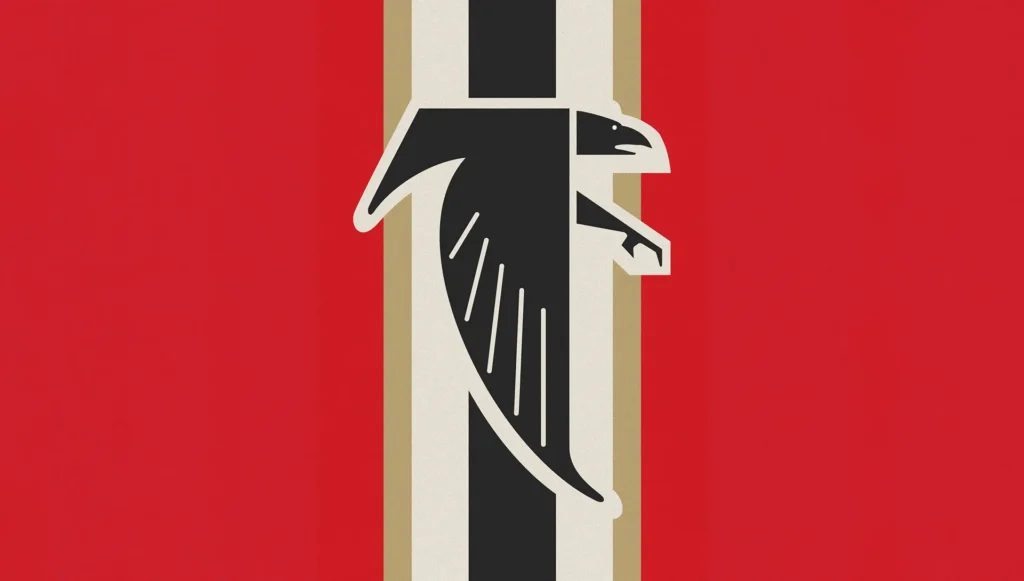
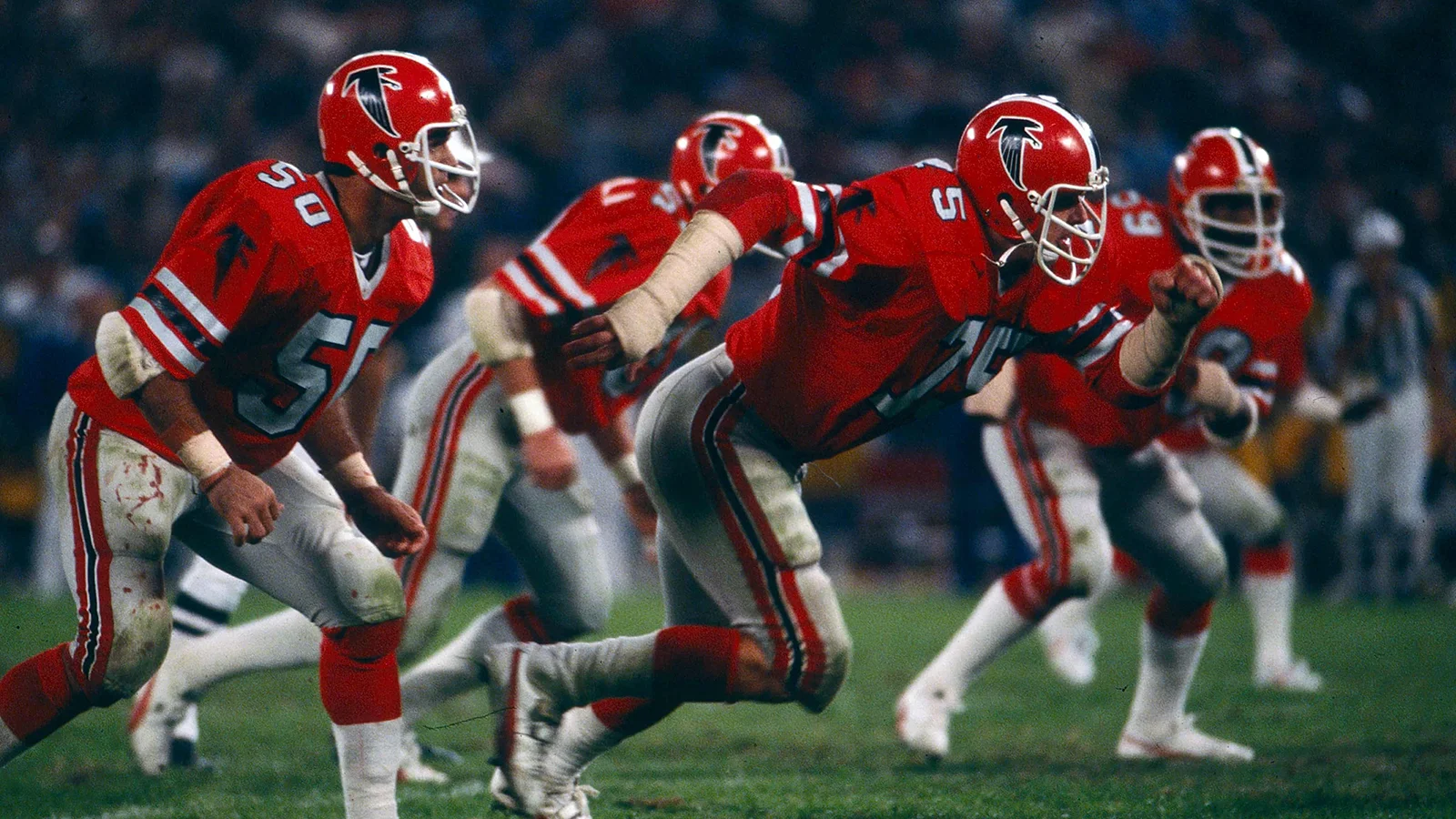
To celebrate their throwback uniforms, the Atlanta Falcons brought back their old logo: a black falcon against red, white, black and gold stripes. The emblem dates back to the team’s beginnings in 1966, while the stripes echo those on its original helmets.
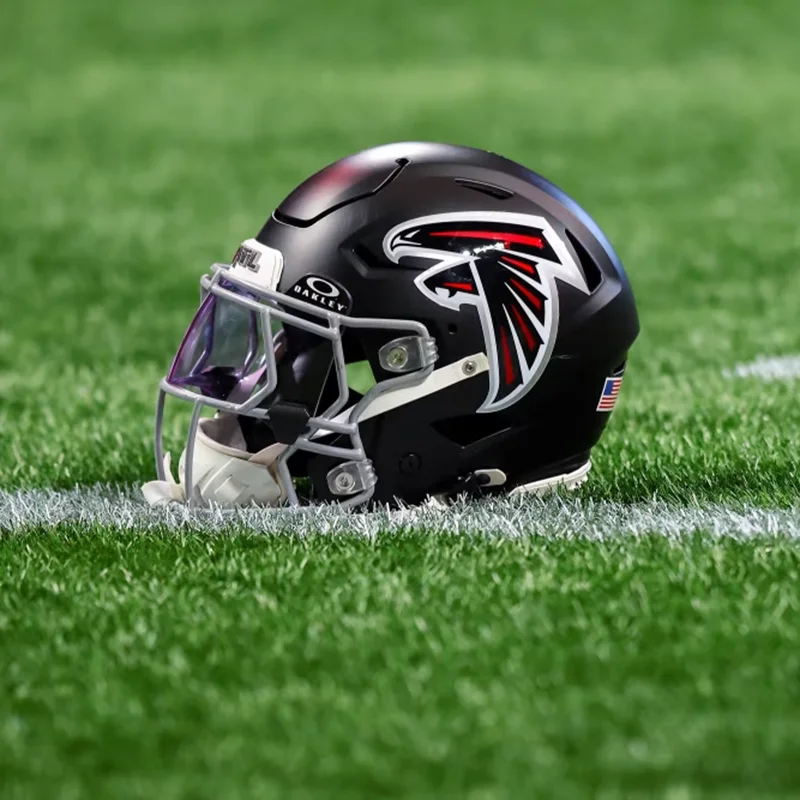
On October 21, the Falcons posted the visual as their new profile picture, captioned “New PFP.” Some users saw a resemblance to Nazi Germany’s imagery. The reaction grew far beyond expectations: at the time of writing, the post had passed 48 million views, with around 79,000 likes, 23,000 reposts and 11,000 replies. The team later replaced the image with a red helmet.
New PFP 👀
Atlanta Falcons (@AtlantaFalcons) October 21, 2026
This was not a logo redesign. But on social media, an image often travels without its explanation. It gets cropped, discussed and remixed. Within hours, a nod to the team’s history had become a viral phenomenon and a conversation about what the visual brought to mind.
Context changes the reading
A logo is never seen in isolation. Its colours, background and framing all shape its meaning. Here, the falcon itself was not new. The way it was presented sparked the comparisons.
When you work on a design, you know every reference behind it. The public may only give it a glance, with no explanation. A fresh pair of eyes can spot what the creative team no longer notices: what stands out first? What does the overall image suggest? Does it still work on its own or reduced to a profile picture?
This check cannot predict every reaction. But it can reveal an association strong enough to discuss before publishing.
The Falcons wanted to bring a piece of their history back to life. Social media turned it into a much bigger story. Once a visual is published, it is no longer entirely ours: the public helps shape its meaning.