
 CREATIVE INTELLIGENCE STUDIO
AI & marketing
Etsy requires a photo of the actual product. This is where we are.
A platform known for handmade creations now has to remind sellers that a beautiful image isn't enough. The item still has to look like what you'll actually receive.

You’re shopping on Etsy. A ceramic lamp catches your eye. The lighting is perfect. So are the textures. You place your order.
When it arrives, the product is considerably less spectacular. Let’s just say artificial intelligence had a better eye for finishing touches than the artisan.
That’s the kind of unpleasant surprise Etsy wants to prevent.
A real photo. How daring.
On October 22, 2026, the platform tightened its rules on product images and AI use. For most items, sellers must now provide at least one unedited photo of the actual product against a real background.
Other images can still be edited, including with AI. On one condition: they must accurately represent the product being sold. No hiding flaws, changing textures or inventing a finish.
Some categories, including customized products and digital downloads, have their own rules.
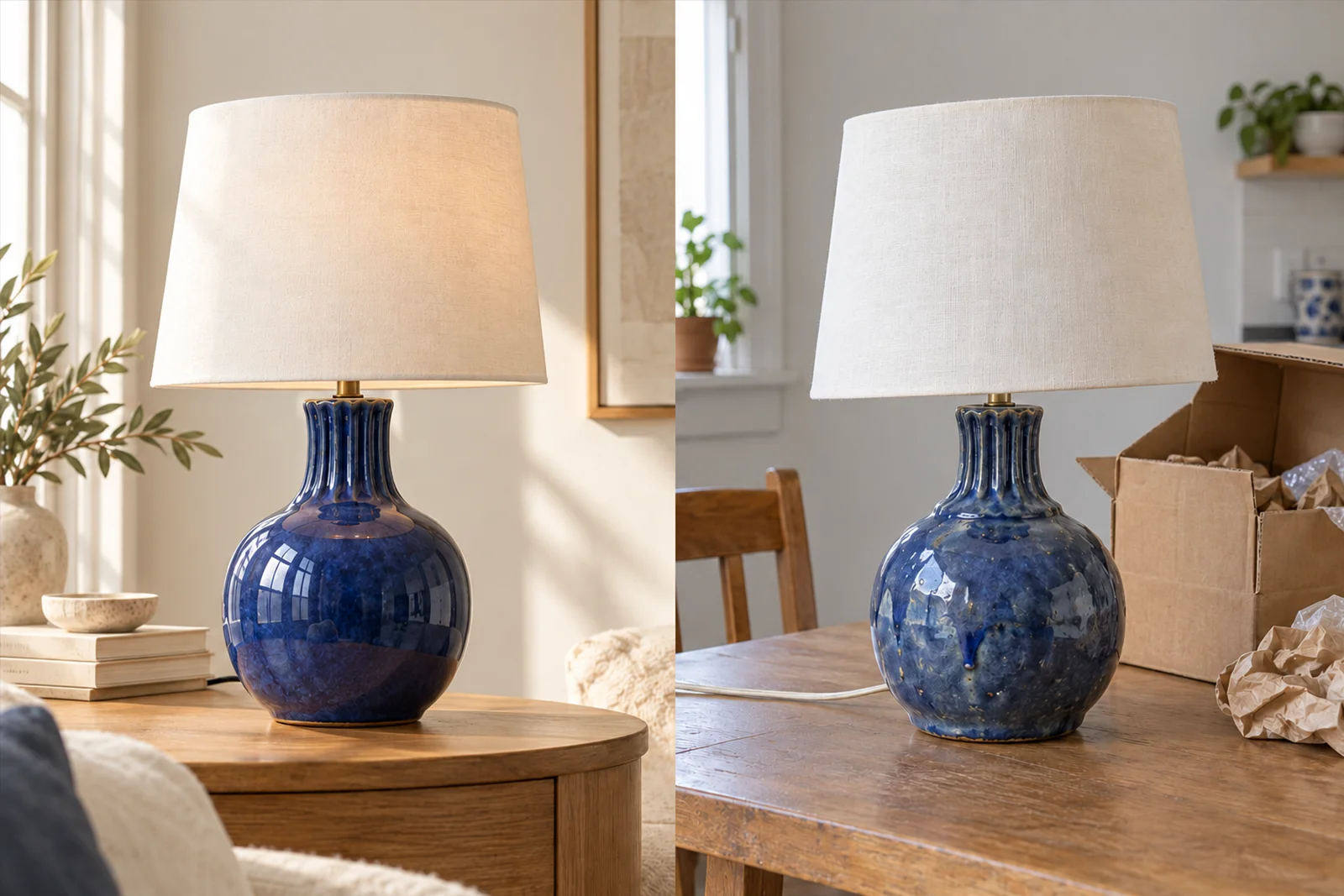
AI can help. It shouldn’t lie.
Etsy isn’t banning AI-generated art. Its use must, however, be disclosed, with a human creative contribution. The platform also prohibits fully automated listings and AI-generated functional guides, such as patterns or recipes.
The distinction matters. Using AI to present a creation in an interesting setting is one thing. Turning an ordinary product into a luxury item that exists only on a screen is another.
As a designer, I have nothing against carefully crafted images. Good presentation is part of selling. But when the visual becomes more appealing than reality, it’s no longer just a question of aesthetics.
It’s a question of trust.
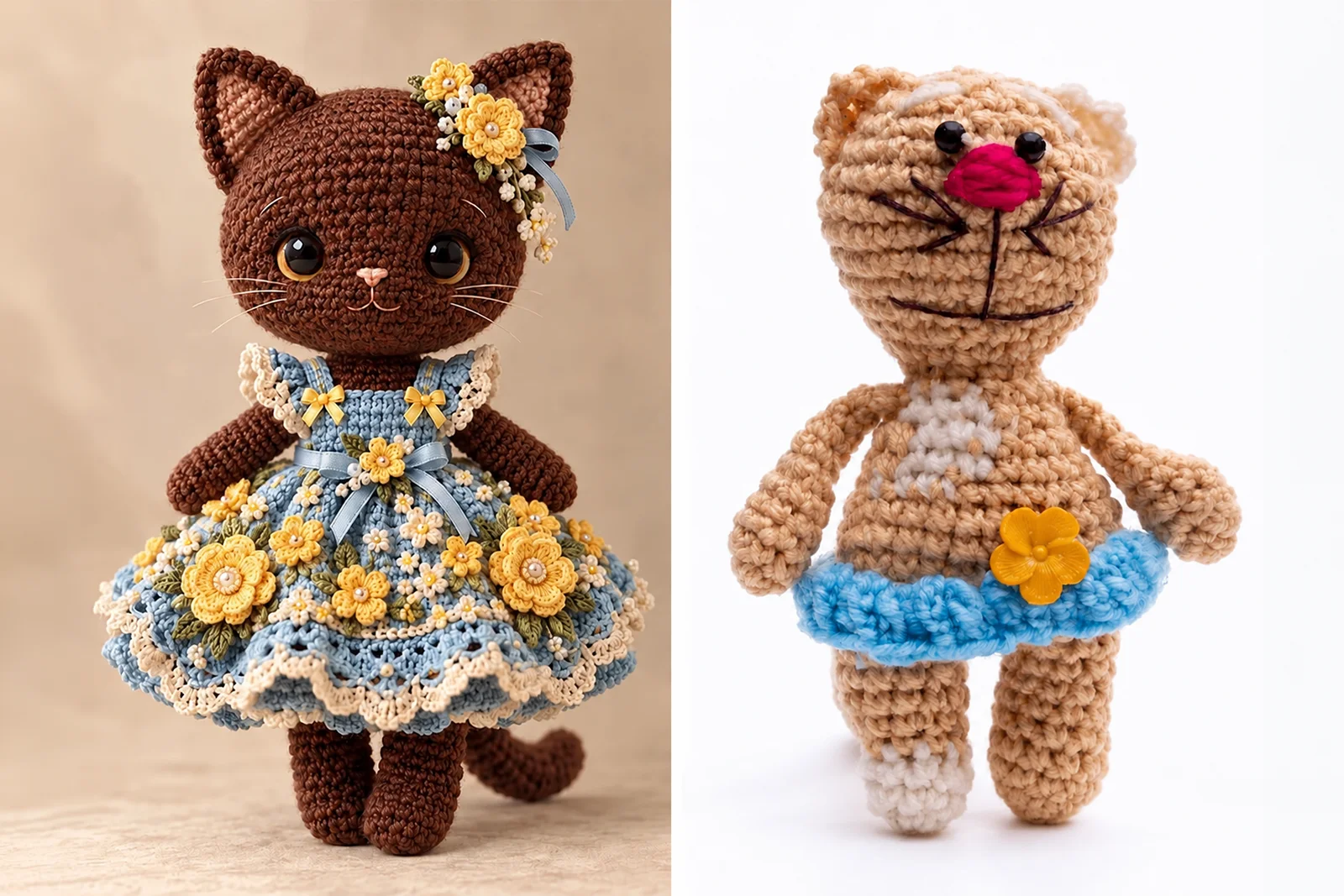
Ultimately, Etsy has reminded everyone of a rule that should go without saying: you can improve the staging, but you can’t reinvent what you ship.
A perfect image can generate a click. The actual product still has to be worth ordering.